
Paid summer internship available – Dundee
Are you an undergraduate or recent graduate in a STEM field looking to dive into advanced computational science, energy materials, and AI? A fully funded Royal Society Research Grant internship could be your perfect next step.
For summer 2026, we are offering a paid, full‑time 3‑month internship working at the forefront of theoretical materials research. This is a rare chance to contribute to emerging methods that combine state-of-the-art physics with modern machine learning.
What You’ll Work On
The project sits at the interface of ab initio Dynamical Mean Field Theory (DMFT) and AI/ML techniques, with the goal of predicting self‑energies and spectral functions for battery cathode materials. You’ll gain hands‑on experience with:
- Advanced electronic structure methods
- Machine learning models trained on high‑accuracy DMFT datasets
- Materials theory relevant to next‑generation lithium-ion batteries
- Scientific research in an expert, supportive academic environment
This internship is ideal for those curious about computational physics, data‑driven materials discovery, or the science underpinning sustainable energy technologies.
Who Can Apply?
You’re eligible if you:
- Are a full‑time undergraduate student at a UK university or a recent UK graduate
- Are eligible to work or study in the UK (e.g., appropriate visa and currently in the UK)
- Are studying or have studied a STEM subject
Key Details
- Duration: 3 months (June–September 2026)
- Funding: Fully paid through the Royal Society Research Grant
- Application deadline: 5 April 2026
- How to apply: Complete this application form
If you know students or graduates who may be interested, please help spread the word—your networks can make a big difference in connecting talented people with exciting opportunities.
Professor Ifan Stephens Wins JMT Catalysis Medal 2025!
The UK Catalysis Hub has awarded Professor Ifan Stephens (Imperial College London) the Sir John Meurig Thomas Catalysis Medal for 2025, recognising his outstanding contributions to electrocatalysis and sustainable energy conversion.
Stephens’ research tackles key challenges in oxygen electrochemistry, hydrogen peroxide synthesis, nitrogen fixation, and battery diagnostics, combining fundamental insights with industrial impact. His work advances sustainable routes to fuels and chemicals at a critical time for global energy needs.
On receiving the award, Stephens said:
“I am deeply honoured to receive the John Meurig Thomas Medal. As a Welsh scientist, it feels especially meaningful to receive an award named after Sir John, whose work continues to inspire so many of us. I am also glad that the UK Catalysis Hub recognises the growing importance of electrocatalysis at a time when sustainable routes to fuels and chemicals are becoming ever more urgent.”
The medal, established in 2016, honours Sir John Meurig Thomas’ legacy and is sponsored by BP, Johnson Matthey, Dr. Reddy’s, Givaudan, and the Royal Society of Chemistry Applied Catalysis Group.
PDRA role available
Prof Michael De Volder at the University of Cambridge has a PDRA position researching the formation process of Li-ion batteries on the new Faraday Institution FAST project.
This role will focus on the study and optimisation of the formation process of Li-ion batteries, focussing on Ni-rich layered transition metal oxide cathodes (LiNi0.9Mn0.05Co0.05O2) materials as part of a large collaborative Faraday Institution Grant. Key responsibilities of the candidate include the development of advanced electrochemical protocols to study formation mechanisms, and the design and interpretation of operando and post-mortem analysis tools to elucidate complex battery formation mechanisms. A key responsibility is to collaborate closely with a large team of researchers across the UK that are part of the Faraday Institution Formation project.
Applications are invited for a Research Assistant/Associate (Postdoctoral Researcher) in the Department of Engineering, to elucidate degradation mechanisms is Ni-rich cathodes for Li-Ion batteries. The post holder will be located at the University of Cambridge in the group of Prof. Michael De Volder in Engineering and collaborate closely with the group of Prof. Clare Grey in Chemistry, Cambridge and Prof Emma Kendrick in Materials, Birmingham.
Job advert closed.
Applications close: 7 November 2025.
PDRA role available
Prof Nuria Garcia-Araez at the University of Southampton has a PDRA position researching Sustainable Batteries for Seamless Textile Electronics for Healthcare.
Flexible batteries with seamless integration in textiles will revolutionize the healthcare system. Such batteries could power sensors to continuously monitor vital signals (e.g. glucose) and antennas to immediately transmit the information to a medical doctor when urgent action is required. However, such batteries need to be completely safe and non-toxic, as well as energy dense and lightweight; requirements that are often conflicting.
The SUSTAIN programme grant (www.sustain-pg.org) will address this challenge using water, lithium and special polymer fabrics to build the batteries. Compared to traditional batteries that use toxic organic solvents and salts, the SUSTAIN batteries will operate using non-toxic lithium-conductive hydrated polymers that enable high deformability and stretchability.
Via collaborative work with leading textile designers, experts in printed electronics and wireless communications and sustainability analysts, the SUSTAIN program will build working demonstrations of textile electronics that can act as wearable doctors.
Applications closed.
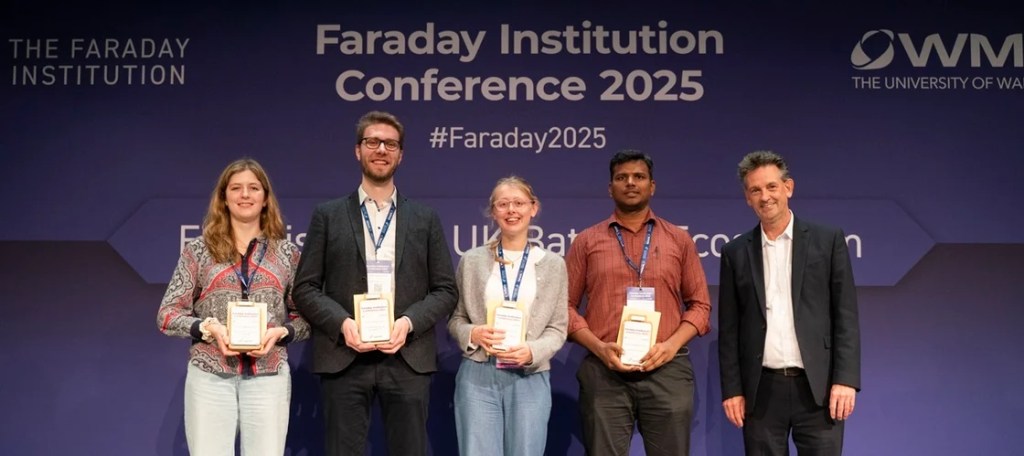
Isabel Antony Wins Poster Prize at Faraday Institution Conference
We’re delighted to announce that Isabel Antony (UCL), a researcher on the Faraday Institution Degradation Project, has won the Prize for Research Progress & Findings at the Faraday Institution Conference in Warwick for her outstanding poster titled “Neutron Imaging to Study Electrolyte Dynamics in Lithium-Ion Batteries.”
Isabel’s work presents a novel approach to silicon production for use in high-energy anode materials. Her poster clearly demonstrated comparisons with existing commercial materials and outlined a compelling strategy for commercialisation and scale-up.
This recognition highlights the innovative research being carried out within the Degradation Project and reflects the strength of collaboration across institutions. Congratulations to Isabel on this well-deserved achievement!
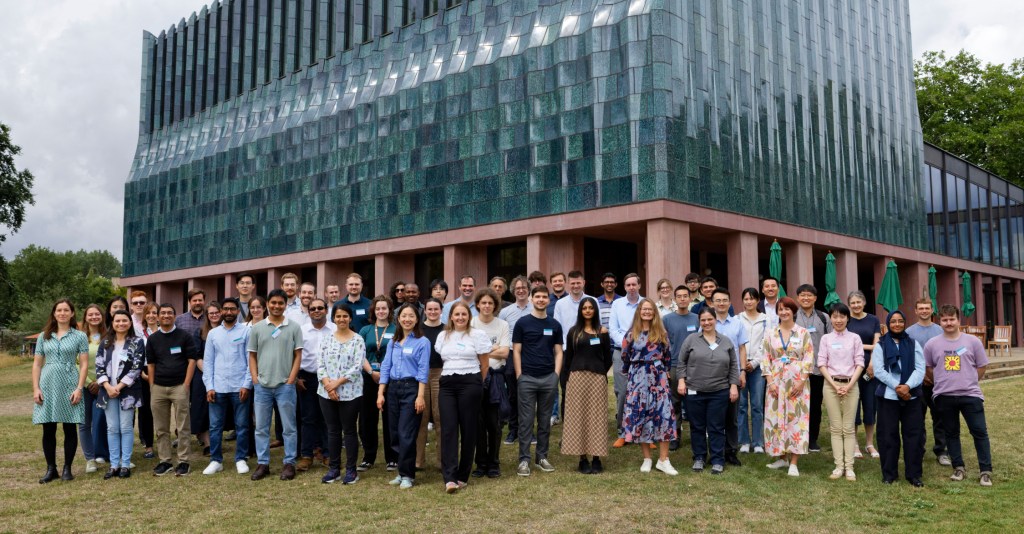
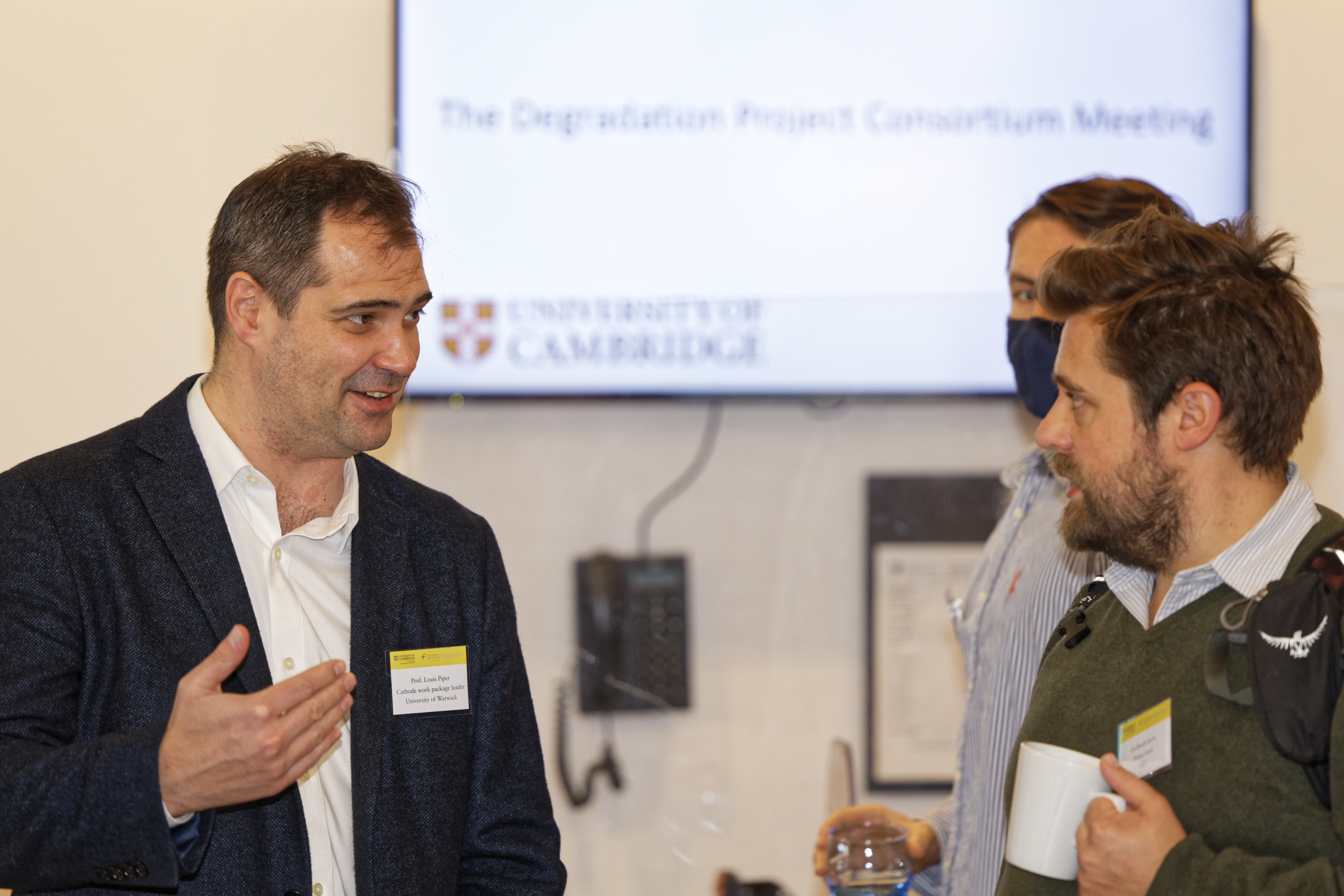
Degradation Consortium Meeting – Homerton College, 21 July 2025
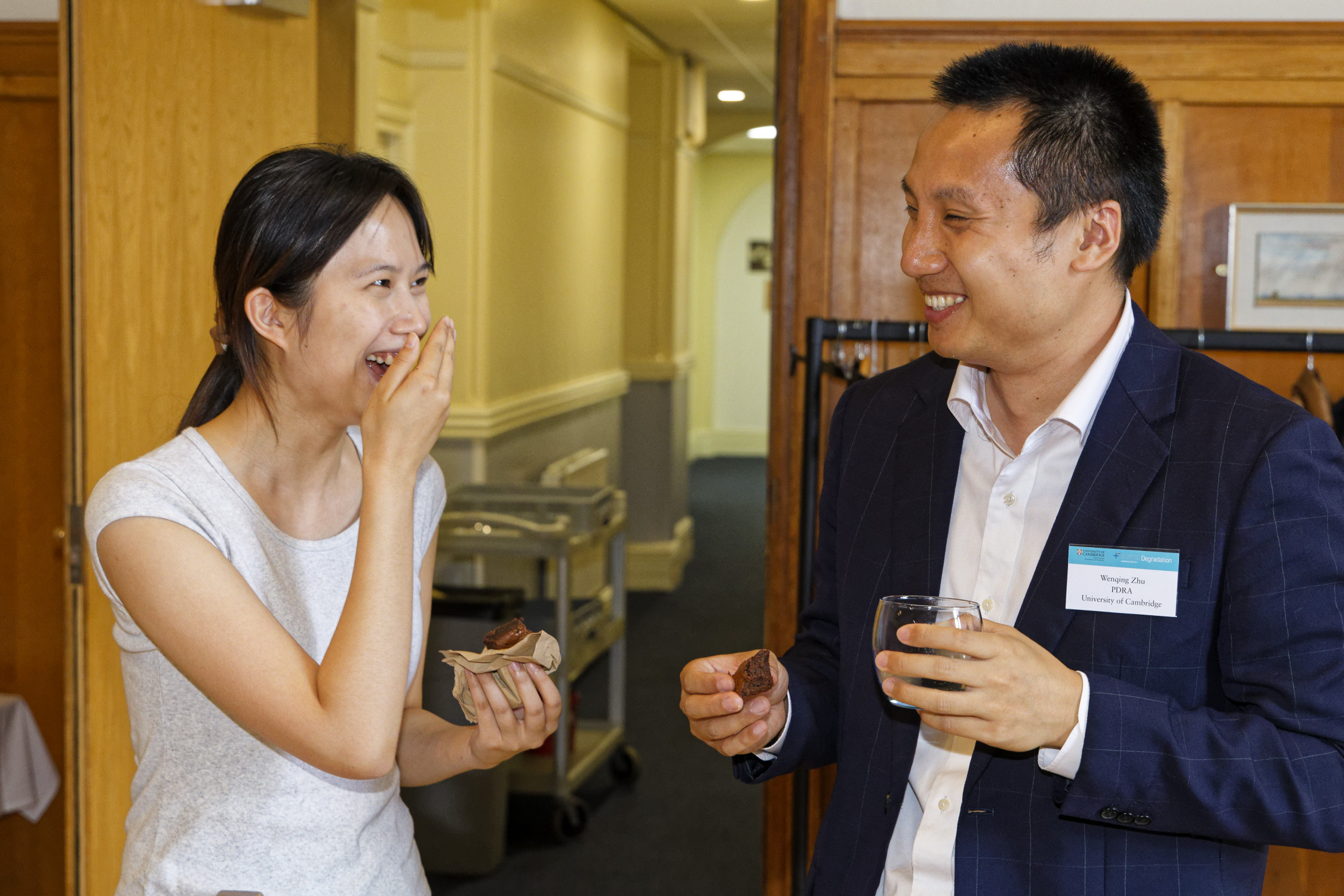
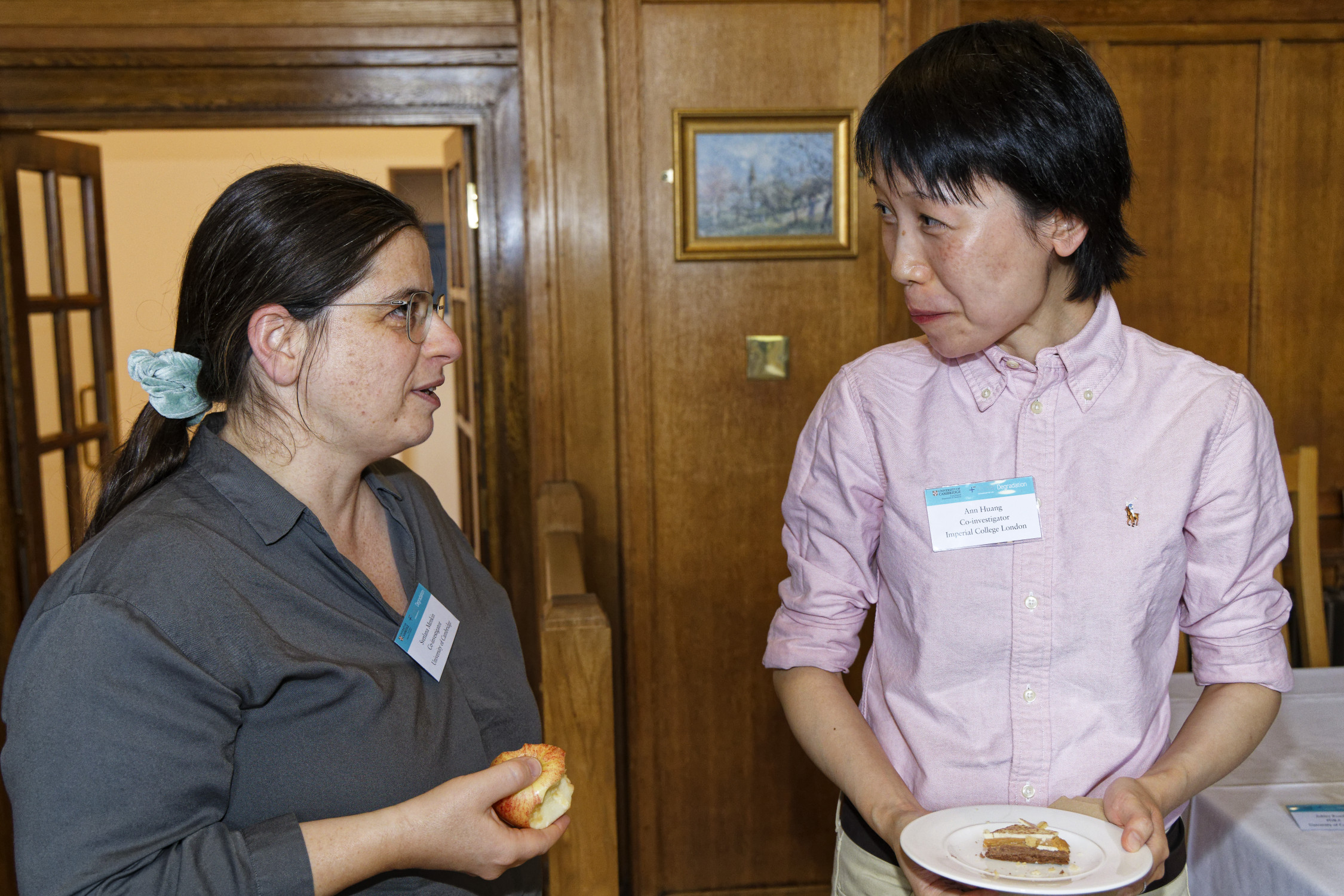
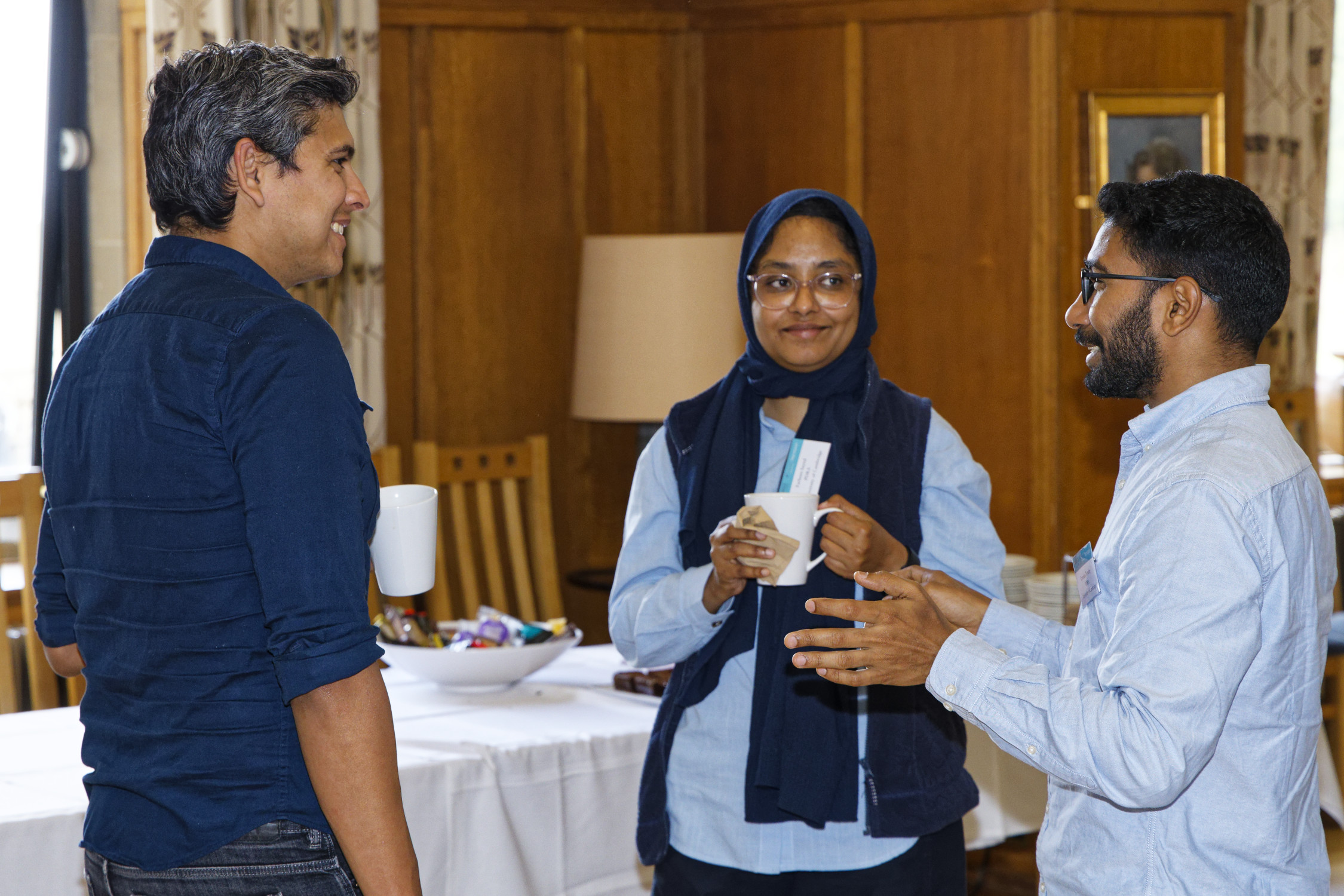
On 21 July, the Faraday Institution Degradation Consortium came together at Homerton College, Cambridge, for a day packed with updates, ideas, and collaboration. It was great to see so many familiar faces—and some new ones—sharing progress and thinking ahead about the future of battery degradation research.
One of the most engaging parts of the day was the 3-minute flash talks, where researchers gave quick, punchy overviews of their work. These short presentations were a brilliant way to get a snapshot of the wide range of projects happening across the consortium.
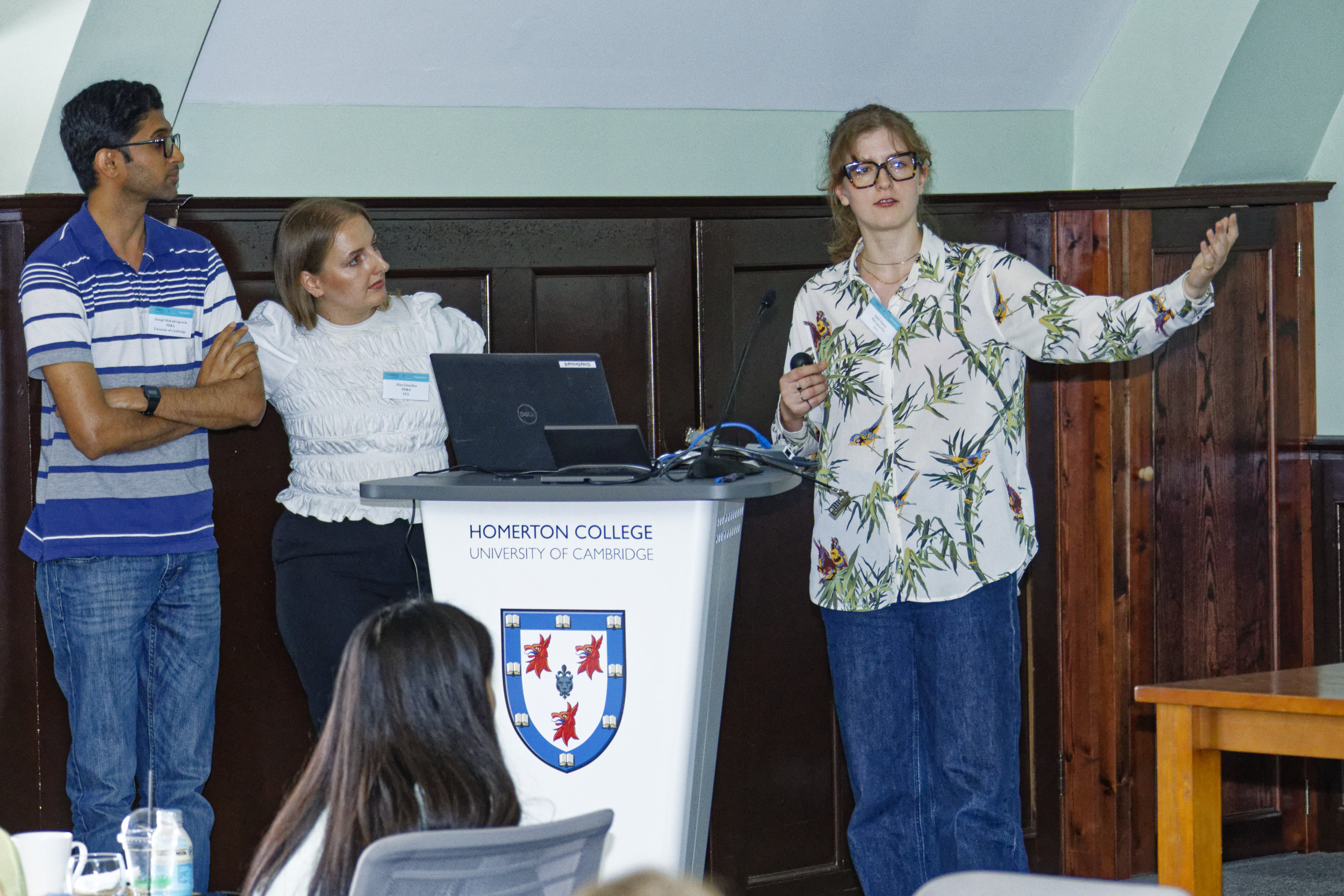
We also had a series of joint PDRA presentations, which really highlighted the value of working across institutions. Seeing researchers team up to present shared findings and approaches was a great reminder of how much stronger we are when we collaborate.
The energy and openness throughout the day made for some really productive conversations.
Thanks to everyone who joined us and contributed to such a lively and inspiring meeting. We’re excited to keep the momentum going!





Storytelling in Academic Presentations – DY Training Workshop
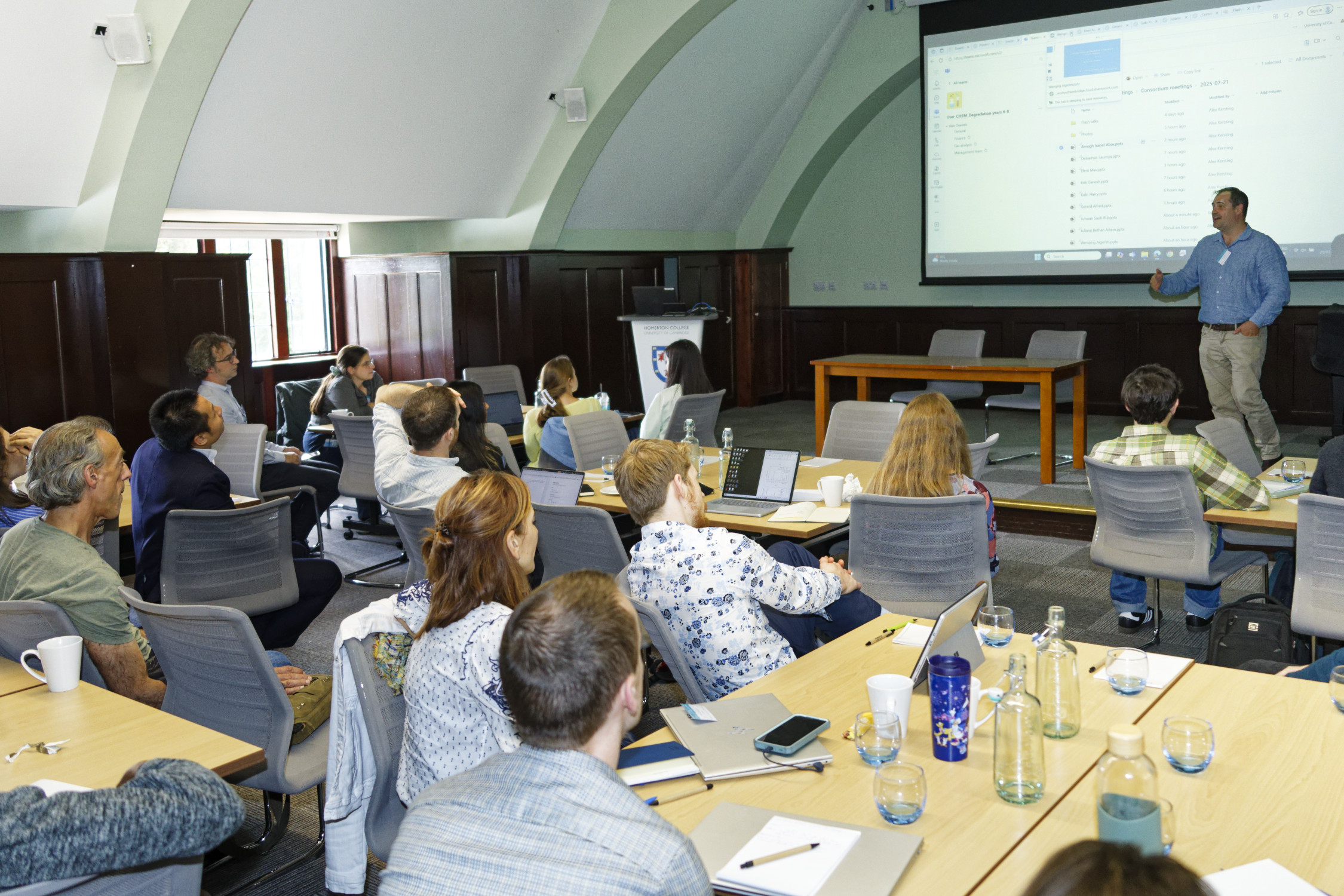
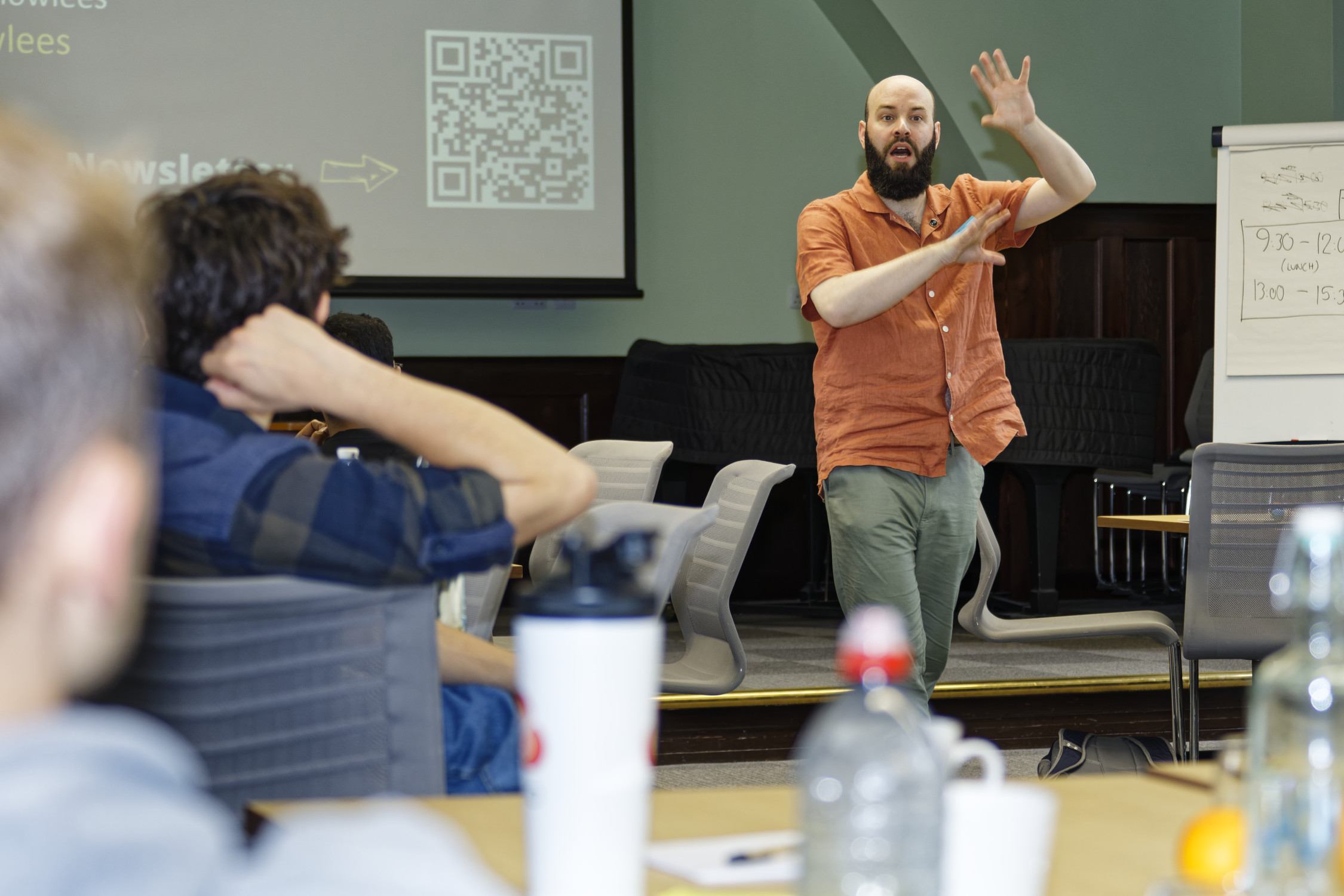
The day after the consortium meeting, a group of researchers took part in a training session led by Matt from DY Training, focused on storytelling in academic presentations. The workshop was a refreshing change of pace—interactive, practical, and full of useful tips on how to make research talks more engaging and memorable.
Matt guided us through techniques for structuring presentations around clear narratives, using visuals effectively, and connecting with audiences beyond just the data. It was a great opportunity to reflect on how we communicate our science and to experiment with new approaches in a supportive setting.
Thanks to DY Training and Matt for a fantastic session—many of us left feeling more confident and inspired to bring storytelling into our future talks.



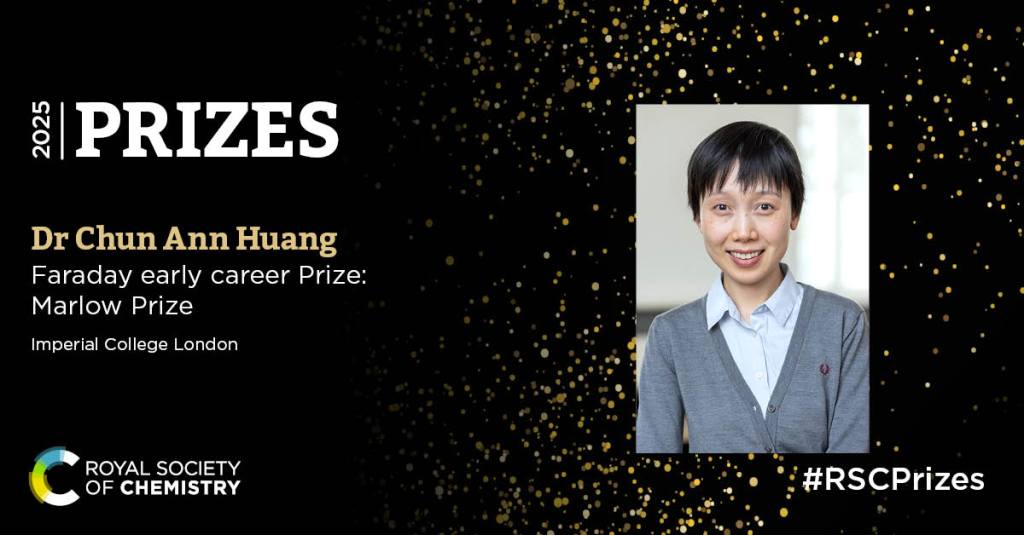
Ann Huang wins RSC Prize!
The Degradation project congratulates Ann Huang of Imperial College London, for winning the Royal Society of Chemistry Faraday early career Marlow Prize!
This was awarded for pioneering the combination of imaging with X-ray Compton scattering and computed tomography (XCS-CT), and novel processing to unravel and control ion transport in 3D structures.
Dr Huang’s work involves developing new materials chemistry and processing to optimise microstructure, and developing novel operando X-ray correlative imaging of X-ray Compton scattering-computed tomography (XCS-CT) to image spatially resolved chemical compositions in 3D microstructure for electrochemical devices. This is useful in applications such as lithium ion batteries and solid-state batteries for imaging lithium ion distributions in electrode microstructure to uncover degradation mechanisms.
Congratulations Ann!
PDRA role available
Dr Svetlana Menkin at the University of Cambridge has a PDRA position part-funded by the SAFEBATT project available to develop and apply Scanning Electrochemical Microscopy (SECM), Scanning Electrochemical Cell Microscopy (SECCM), and Electrochemical Impedance Spectroscopy (EIS) techniques. The project aims to understand how electrochemical heterogeneity at the electrode:electrolyte interface contributes to short-circuit formation in batteries.
More information and apply here: https://www.jobs.cam.ac.uk/job/51319/
Applications are now closed.
PDRA role available
Join the project at the University of Cambridge with Professors Dom Wright and and Clare Grey working on Next Generation Lithium-Ion Electrolytes. The project will involve the synthesis of new battery salts and the investigation of their electrochemistry and battery performance, with particular aims of developing fluorine-free salts and salts for anode-free/anodeless batteries.
More information and apply here: https://www.jobs.cam.ac.uk/job/51224/
Applications are now closed.
Prof Dame Clare Grey awarded ISMAR Prize!
Congratulations to Prof Grey who has been recognised by the International Society of Magnetic Resonance, for her superb and long-standing developments of solid-state paramagnetic NMR and pioneering applications of solid-state NMR to materials relevant to energy and the environment.
Congratulations Clare!
PhD studentship available
We have a fully funded PhD studentship is available to work with Prof Dame Clare Grey and Dr Israel Temprano at the Chemistry Department at the University of Cambridge, in collaboration with Arnaud Demortière at LRCS in Amiens, France, and Elixabete Ayerbe at Cidetec Energy Storage, San Sebastian, Spain. This project, funded by the ALISTORE European Research Institute, aims to provide a mechanistic understanding of the behaviour of aqueous-processed high-energy cathodes using advanced operando characterisation tools. The project is highly collaborative in nature and will involve travelling between the partners by the student.
Applications closed
STEM for Britain poster winner!
Congratulations to PhD student May Ching Lai, working for Prof Cate Ducati of the University of Cambridge for her bronze award at STEM for Britain for her poster on Impact of calendering on tortuosity and transport properties in single-crystal and polycrystalline LiNi₀.₈Mn₀.₁Co₀.₁O₂ cathodes via 3D imaging.

You can read more about her trip to parliament here.
STEM for Britain aims to:
- Presenting and discussing “ground-breaking” and frontier UK research and R&D to Members of both Houses of Parliament at Westminster
- Fostering greater dialogue and engagement between early-stage researchers and Members both in Westminster and in their Constituencies
- Encouraging personal interaction between all researchers
- Competing nationally for a prestigious Medal and Prize for the best poster i.e. the best research work
- Raising the profile of Britain’s early-stage researchers at Parliament and elsewhere
- Contributing to various national initiatives e.g. the UK’s British Science Week
- Many researchers also gain an awareness of the challenges and excitement in other areas of research, possibly resulting in collaborative projects. They receive a brief introduction to Parliament and can discover also how Parliament deals with science, engineering, medicine, technology and mathematics.
ACS Energy Letters most read article!
Congratulations to Soochan Kim, Pravin Didwal, Juliane Fiates, James Dawson, Rob Weatherup and Michael De Volder on their paper the Effect of the Formation Rate on the Stability of Anode-Free Lithium Metal Batteries, as one of the most read articles of ACS Energy Letters in September 2024.
Rob Weatherup promoted to professor!
The Degradation project congratulates Rob Weatherup on attaining full professorship. Rob is now Professor of Energy Materials – you can read about his research online.
Congratulations Rob!

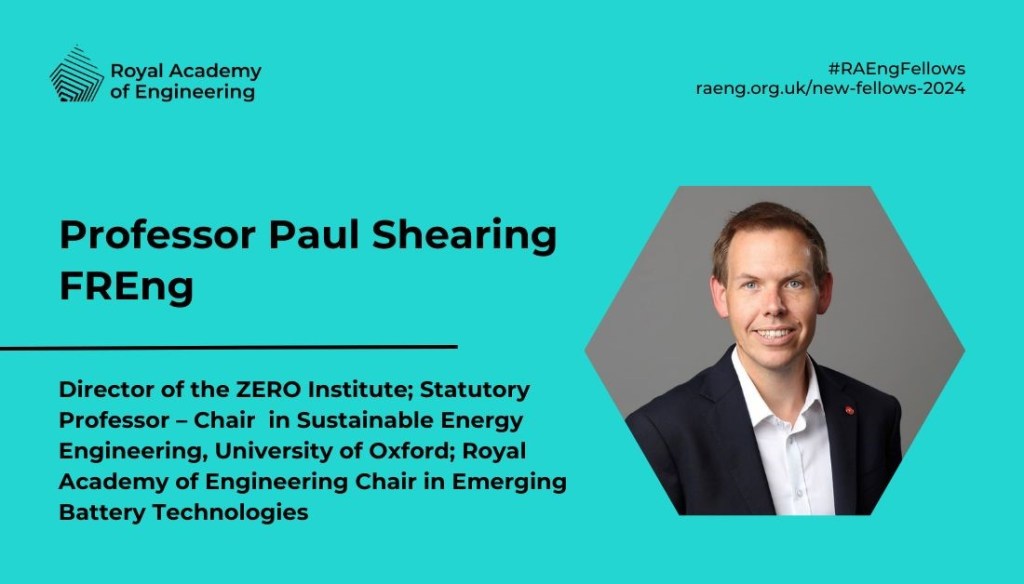
Professor Paul Shearing made FREng!
Congratulations to Professor Paul Shearing on being made a Fellow of the Royal Academy of Engineering! Further information on his research can be found online.
New PDRA role available at Southampton
Professor Nuria Garcia-Araez at the University of Southampton is recruiting for a new PDRA in Unravelling the mechanism of degradation of best-in-class lithium-ion batteries.
Now closed.
Increasing the longevity of lithium-ion batteries is the most efficient way to increase their value and to make them more environmentally friendly. However, identifying approaches to suppress battery degradation is extremely difficult, particularly because the root processes that cause degradation are poorly understood.
This project will form part of a major consortium, funded by the Faraday Institution, where a range of world-class techniques are combined to study best-in-class battery materials to identify the key processes contributing to battery degradation and to guide a rational development of performance-enhancement solutions. Such multidisciplinary collaboration has led to a number of important articles, including our recent demonstration of the presence of two distinct reaction pathways (instead of only one, as previously assumed) for the degradation of nickel-rich battery cathodes, which are the materials of choice for electric vehicle applications [Energy Environ. Sci., 2022,15, 3416-3438].
This project will employ world-class operando techniques for the study of gas evolution from batteries, which critically affects battery longevity and safety [J. Phys. Chem. C 2024, 128, 13395-13401]. The project will also benefit from world-class characterisation facilities available within the department, including a unique correlative SEM+Raman microscope and state-of-the-art X-ray diffractometers. The experiments will be done using state-of-the-art battery electrodes and cells, fabricated at a pilot-line battery manufacture facility at Warwick University, which supplies all the materials for the consortium to ensure consistency and high standards. Key collaborators for this work are Prof. Clare Grey (University of Cambridge), Prof. Robert Weatherup (University of Oxford) and Prof. Louis Piper (University of Warwick), among others.
This post is suitable for chemists or materials scientists with a PhD (awarded or imminent) and a strong background in electrochemistry and/or analytical techniques. The successful candidate will have a good publication record and enjoy working in the lab.
For informal enquiries about the project, please contact Dr Nuria Garcia-Araez (N.Garcia-Araez@soton.ac.uk).
Consortium meeting at the Royal Society of Chemistry, London
Our latest consortium meeting was held in Burlington House in London. Below are some pictures from the meeting:

Jessica McConnell wins highly commended in Faraday x Intercalation Essay competition
Congratulations to Jessica McConnell, a Degradation PhD student, for being awarded highly commended in the Faraday x Intercalation essay competition at the the Faraday Institution conference. The topic was Your vision for the battery industry in 2040.
You can read Jessica’s essay here.


Faraday Institution conference 2024, Newcastle University
Lots of members of the Degradation consortium attended the Faraday Institution conference held at Newcastle University.
We also had a number of current and former consortium members present posters and talks at the conference.
Veronika Šedajová won the poster prize for scientific content for her poster on Understanding the electro-chemo mechanisms of NMC811 particles: finite element simulations and experimental validation.

PhD candidate Veronika Šedajová from the University of Cambride with her award winning poster.
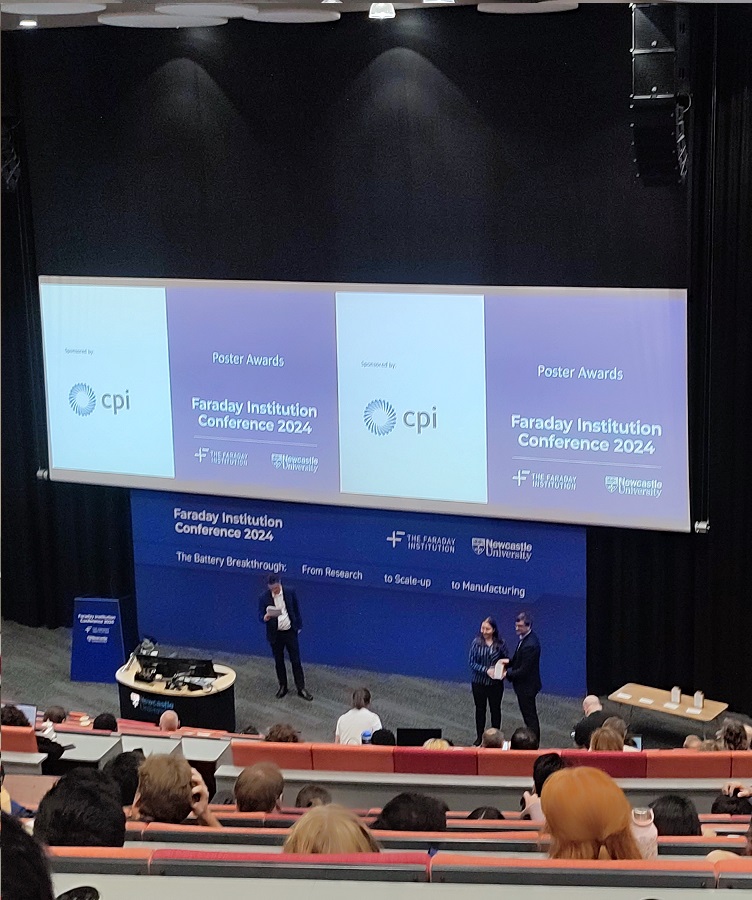
Veronika Šedajová picking up her poster award.

Degradation co-PI Clare Grey gave the closing keynote talk.
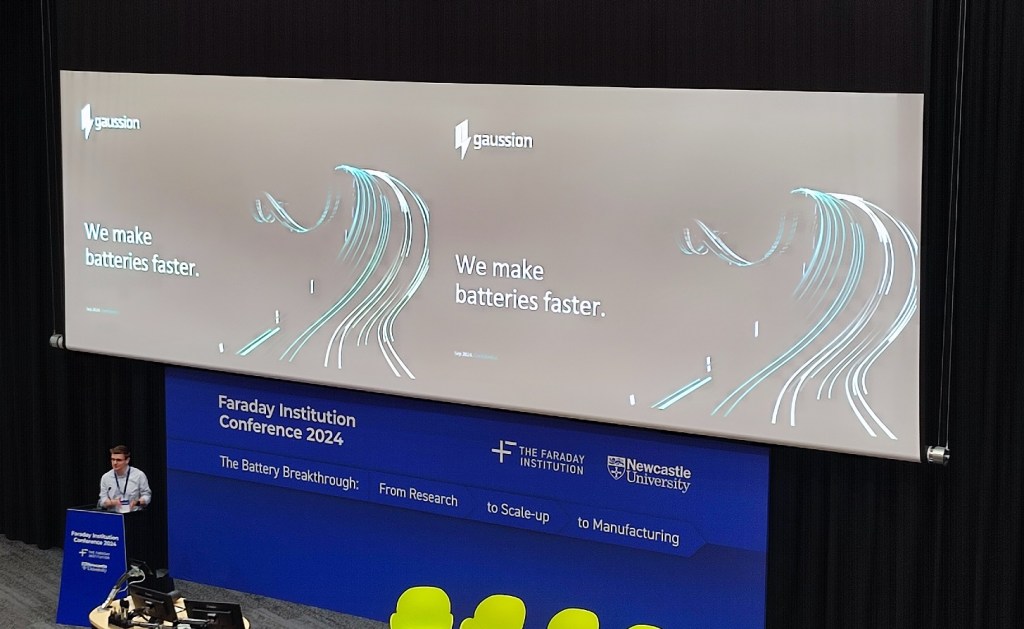
Former Degradation consortium member, Dr Tom Heenan, presenting on project spin-out Gaussian.
Ifan Stephens awarded Royal Society of Chemistry medal
Professor Ifan Stephens has been awarded the Geoffrey Barker Medal by The Royal Society of Chemistry Electrochemistry Group in recognition of his contributions to the field of electrochemistry.
Congratulations Ifan!
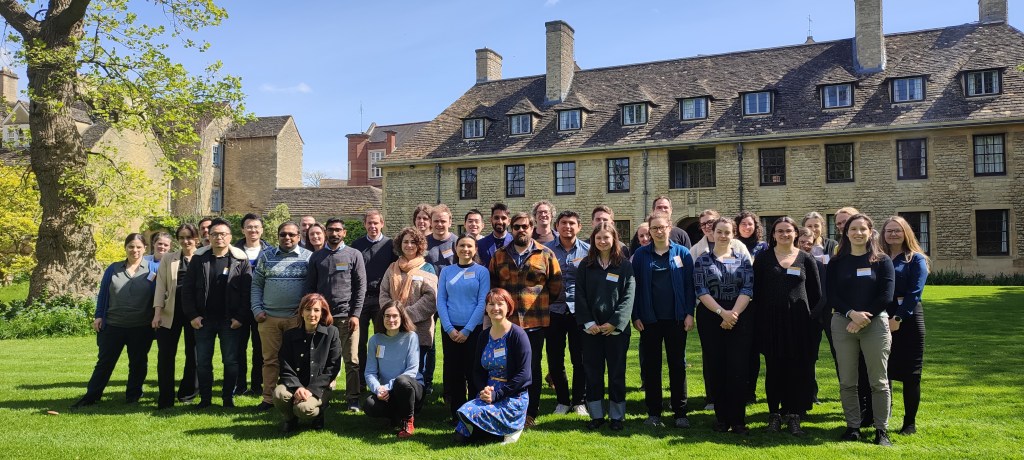
Consortium meeting in Oxford
Here’s a photo from our most recent consortium meeting, held at Worcester College, Oxford. A science packed day full of presentations, discussions and networking.
New role available in battery research
Available with Professor Rob Weatherup (University of Oxford)
Research Assistant/Associate – Li-ion Battery Degradation. CLOSED.
The postholder will perform research into degradation reactions occurring at electrode-electrolyte interfaces in next generation Li-ion batteries, which play a pivotal role in determining real-world battery performance. You will combine your expertise in electrochemical characterisation of Li-ion batteries with the state-of-the-art facilities for energy storage research at Oxford, and advanced characterisation techniques available at the nearby Harwell Campus (20 mins from Oxford). This will involve the application of state-of-the-art X-ray spectroscopy methods (Operando XPS/XAS, Hard X-ray Photoelectron Spectroscopy) to probe the interfacial reactions occurring in Li-ion batteries.
Other roles within the Faraday Institution community can be found here.
Consortium meeting held in Warwick
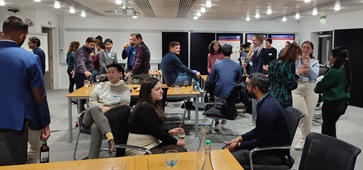
Recently we held an interesting and informative in-person meeting at the University of Warwick.
Talks on topics from across and around the Degradation project led to lots of discussion. The poster and drinks reception in the evening (pictures below) showcased more work and gave further opportunities for discussion.



Ifan Stephens promoted to professor!
The Degradation project congratulates Ifan Stephens of Imperial College London for being promoted to professor!
Congratulations Ifan!
New roles available in battery research
Available with Professor Michael De Volder (University of Cambridge)
Research Assistant/Associate – Battery Degradation Microscopy. CLOSED.
Applications are invited for a Research Assistant/Associate (Postdoctoral Researcher) in the Department of Engineering, to work on the development of new methods to structure Li-Ion battery electrodes as part of an ERC Consolidator Grant.
The successful applicant will focus on the development of advanced methods to structure Li-Ion battery electrodes to increase their areal capacity and the overall energy density of the battery. Key responsibilities of the candidate include the design and fabrication of electrodes as well as electrochemical testing of their performance. This project focusses on processes that are compatible with roll-to-roll coating to ensure industrial relevance.
Other roles within the Faraday Institution community can be found here.
Degradation Faraday Undergraduate Summer Experience (FUSE) 2023 poster prize winner!
Daniel Leong, working with Dr Israel Temprano at the University of Cambridge, for his FUSE internship won the best poster for Research Progress and Findings for his poster on Immobilised redox mediators for Li-air Batteries.
The judges said:
Daniel is recognised for skillfully taking a very niche, difficult to understand aspect of batteries and explaining it very clearly in a way that is accessible across the field. The technical communication is high-quality, with the process and methodology clearly expressed throughout the poster sections. Whilst low on the technology readiness scale, the vision for how this research should be developed is compelling, with impact and next steps evident.
Congratulations Daniel!
STEM outreach award winner!
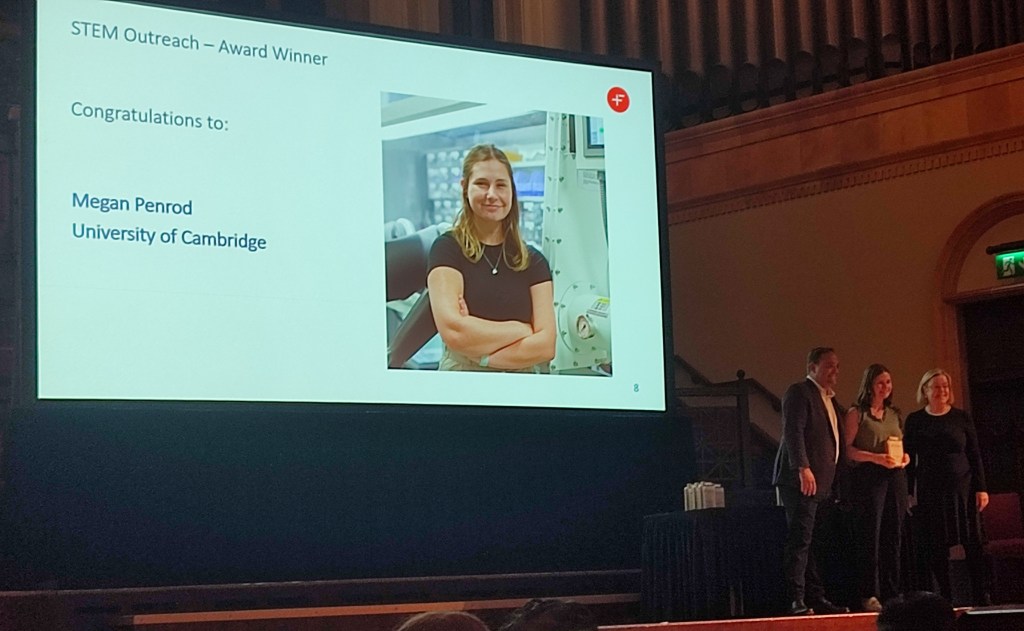
Degradation research assistant Megan Penrod, University of Cambridge, was awarded the STEM outreach award at the Faraday Institution conference dinner in September.
The STEM outreach award recognises the efforts of an individual or a team who provides engaging and inspirational activities for young people in their local or national communities.
The panel noted:
“Megan has gone above and beyond in taking a leading role in providing STEM outreach activities focusing on electricity and energy storage to young people whilst growing and empowering an enthusiastic outreach team. A primary focus has been to inspire young people about the wonder of batteries and associated careers, gaining praise from volunteers and teachers alike. The enthusiasm and hard work involved in making these events a success clearly shows Megan’s commitment and how she embodies the core values of the Faraday Institution, making her a worthy winner of this year’s STEM outreach award.”
Read a #FaradayPathways post about Megan.
Degradation presentations at the annual Faraday Institution conference
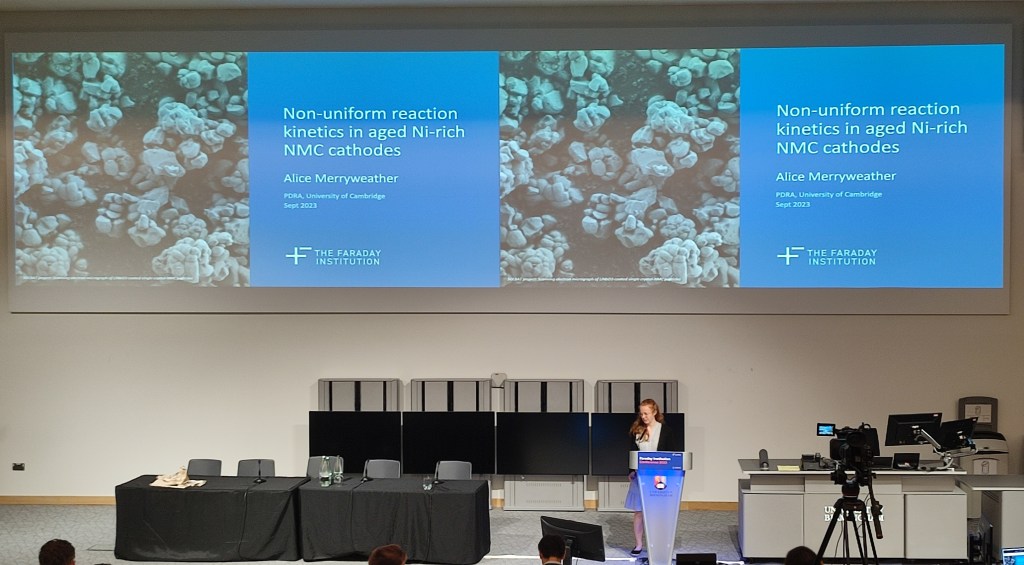
At the FI conference, held in Birmingham 11-13 September, we had a number of presentations from members of the degradation consortium. In front of a lecture theatre packed with 300 people, Dr Alice Merryweather, University of Cambridge, presented her work on Non-uniform reaction kinetics in aged Ni-rich NMC cathodes.
This was followed by Dr Galo Paez-Farjado, from the University of Warwick, presenting on Cell voltage window optimization and degradation with the highs and lows of single crystal Ni-rich NMC//graphite industrial cells.

Professor Dame Clare Grey gave an invited talk on New spectroscopic approaches to study batteries: intercalation mechanisms, fast charging, and long-term degradation mechanisms. During this presentation she discussed the breadth of the research covered in the degradation project.

Professor Rob Weatherup, and Dr James Dawson, RSC prize winners!
Congratulations to Professor Rob Weatherup, University of Oxford, in winning the Royal Society of Chemistry 2023 Analytical Science early career Prize: Joseph Black Prize for the development and application of interface-sensitive X-ray spectroscopies for observing reactions in atmospheric pressure and liquid environments.

And Dr James Dawson, Newcastle University, has won the RSC 2023 Harrison-Meldola Memorial Prize! This was for outstanding contributions to the understanding and modelling of ion transport and interfaces in energy materials. Congratulations James!

Last minutes internship available!
If you would be interested in joining a Degradation/SAFEBATT collaboration project this summer as an intern in Professor Dame Clare Grey’s group at the University of Cambridge, please see the advert below and apply here. Closed.
New roles available in the Degradation project!
Currently recruiting for new PDRAs to work on the Degradation project are:
Dr James Dawson (Newcastle University)
Research Assistant/Associate in the atomistic modelling of new liquid electrolytes and solid electrolyte interphase (SEI) formation for anode-free batteries. Closed.
Professor Akshay Rao (University of Cambridge)
Research Assistant/Associate in Development and use of optical microscopy to study battery materials. Closed.
Professor Louis Piper (University of Warwick)
Research Fellow – Battery Degradation Microscopy. Closed.
Other roles within the Faraday Institution community can be found here.
Degradation Phase 2 has launched!
HARWELL, UK (30 March 2023) The Faraday Institution, a leader in energy storage research, has announced a £29m investment in six key battery research projects aimed at delivering commercial impact. These projects, including extending battery life, battery modelling, recycling and reuse, safety, solid-state batteries, and lithium-sulfur batteries, have been reshaped to focus on the areas with the greatest potential for success.
With over 500 researchers from 27 universities and 85+ industry partners, the Faraday Institution continues to drive innovation in energy storage technologies that will transform the UK energy landscape from transportation to the grid.
Professor Pam Thomas, CEO, Faraday Institution, commented: “The Faraday Institution is committed to identifying and investing in the most promising and impactful battery research initiatives. This project refocusing is an important part of that process, and allows us to direct even more effort towards those areas of research that offer the maximum potential of delivering societal, environmental, and commercial impact.”
Business and Trade Minister Nusrat Ghani said: “Growing the battery industry is vital to positioning the UK as the best location in the world to manufacture electric vehicles.
“This funding will help businesses become more innovative and productive, helping to create more skilled, high-wage jobs across the UK, future-proofing our economy and supporting our ambition towards a cleaner, greener future.”
As part of this project refocusing and its ongoing efforts to drive impact in energy storage research, the Faraday Institution recently issued an open call for short, costed proposals for new research topics with tightly defined scopes that complement its core research projects. The list of successful applicants is found here; and new research areas have been integrated into the projects. The round was highly competitive with 62 proposals submitted.
James Gaade, Research Programme Director commented: “We congratulate the co-investigators who were successful in bidding in the competitive process. They are from 10 universities, three of which – Cranfield, Bristol and King’s College London – are new to Faraday Institution core projects. We particularly congratulate Newcastle University who will lead three new work areas in the SOLBAT, ReLiB and Degradation projects.”
Project details
The refocused research projects, including targeting market opportunities and early-stage commercial development, are in the following areas:
Extending Battery Life
The Faraday Institution’s Degradation project, a centre of excellence in understanding degradation mechanisms in lithium nickel manganese cobalt oxide NMC811-graphite batteries, is expanding to investigate other systems of industrial interest. Researchers will apply their knowledge and new characterisation techniques to investigate the degradation of systems comprising silicon-rich composites and those using anode-free architectures. On the cathode side, the project will investigate the higher nickel content NMC, lithium manganese iron phosphate (LMFP), and tungsten-doped lithium nickel oxide (LNO). Tungsten-doped LNO is a promising material with high capacity that was developed by the Faraday Institution’s FutureCat project. Researchers will also investigate new electrolyte formulations compatible with the anode and cathodes under study and their impact on degradation.
The project will also include new pouch cell fabrication activity at WMG, which will allow researchers from across the project to access reproducible and reliable cells to perform degradation studies at more industrial-relevant scales. Pouch cells to be fabricated will include tungsten-doped LNO cathode developed at the University of Sheffield.
The project is led by Co-Principal Investigators Prof Dame Clare Grey, University of Cambridge, and Prof Louis Piper of WMG. The team also includes researchers from the universities of Birmingham, Newcastle, Oxford, Sheffield, Southampton, Imperial College London and UCL.
Faraday Institution Undergraduate Summer Experience (FUSE) placements!
Are you an undergraduate and want to see what it’s like working with batteries? Are you interested in finding out more about how research works in academia? If so, come and join us for a FUSE internship this summer. Each paid internship lasts for eight weeks across a range of battery related topics. The full list along with closing dates can be found on the Faraday Institution website. The closing date for Degradation projects is 17 April 2023.
Faraday Institution Early Career Researcher Conference Degradation project poster winner!
Congratulations Degradation PhD student Daisy Thornton on winning the best poster at the recent FI Early Career Researcher Conference in the Research Progress and Findings category!
Daisy presented interesting work on probing degradation using a novel electrochemical mass spectrometry technique. The technique works by probing gas evolution that occurs during degradation and Daisy shows that she is able to use this to shed light on degradation mechanisms. The judges were impressed by the work involved in this project and use of complimentary characterisation techniques. The poster uses custom made images to effectively communicate ideas. Daisy presented the work in an especially engaging and enthusiastic way.
Well done Daisy!
New spin-out company launched!
Illumion, a new spin-out company commercialising a novel microscopy tool developed to help understand and develop new battery materials has launched!
Developed by Degradation investigators Prof Dame Clare Grey, Dr Akshay Rao, FI Entrepreneurial Fellow Dr Christoph Schnedermann and Degradation project affiliate PhD Alice Merryweather at the University of Cambridge’s Cavendish Laboratory and Yusuf Hamied Chemistry Department as an output of a Faraday Institution battery characterisation project, the optical microscopy technique could prove a vital tool for battery research. Find out more from the FI or on the company’s own website.
Congratulations to all involved!
Brett Lucht reviews project paper in ACS
Recently our ACS Energy Letters paper was highlighted in a recent “Energy Spotlight” by Brett Lucht: Onset Potential for Electrolyte Oxidation and Ni-Rich Cathode Degradation in Lithium-Ion Batteries.
Lucht writes: Current lithium-ion batteries (LIB) have excellent cycling stability under standard operating conditions. As the technology has developed, the desire for increased energy density has driven interest in cathode materials with both higher capacity and higher cutoff potential. However, this has resulted in a decrease in cycle life and calendar life and an increase in safety concerns. One of the factors contributing to this performance fade is the reaction of the electrolyte with the surface of cathode materials. However, a strong understanding of the role of electrolytes in the performance fade of cathode materials has been elusive.
Most current interest is directed at using LiNixMnyCozO2 (NMC) cathodes with high nickel content for advanced LIBs. Increased Ni content is desirable since it results in increased capacity, but unfortunately, higher nickel content also reduces cycling stability. Additionally, there is an interest in increasing the energy density of NMC cathodes by increasing the voltage window from 4.2 to 4.4 V vs Li/Li+. However, cycling NMC cathodes to higher potential also results in a decrease in cycling stability.
In their recent work, Grey, De Volder, and co-workers have provided significant insight into the detrimental reactions of the electrolyte with NMC cathodes. In particular, they have provided a detailed understanding of the role of ethylene carbonate (EC), a common component of LIB electrolytes, in oxygen loss reactions from the NMC cathodes. The presence of EC enhances oxygen loss from the cathode at a high potential, leading to more electrolyte decomposition, transition metal dissolution, surface reconstruction, and impedance growth. The importance of EC in these detrimental processes indicates that the coordination strength of the solvent with the cathode surface is critical. However, EC is also an important component of the electrolyte for the generation of the solid electrolyte interphase (SEI) on the graphitic anode of LIBs. The irony of the importance of EC in anode SEI stability, despite simultaneously leading to reduced cathode surface stability, suggests that further electrolyte development will likely be needed to advance LIBs. These important results will assist other researchers with the development of materials-based solutions, including novel electrolyte formulations or NMC surface coatings designed to inhibit oxygen release from NMC cathodes.
Project PhD student wins EMAG poster prize!
May Ching Lai, affiliate PhD student, won best poster at the Electron Microscopy and Analysis Group meeting on Electron microscopy studies on concentration gradient Ni-rich cathodes for lithium-ion batteries.
Congratulations May Ching!
Professor Dame Clare Grey
We are delighted that in the Queen’s birthday honours list last week it was announced that Professor Clare Grey has been appointed as Dame Commander of the Order of the British Empire (DBE) for services to science. The longer citation reads
Her scientific breakthroughs underpin 25 years of global progress in rechargeable electric batteries, which have led to mobile phones, laptops and electric vehicles. Clare Grey is a major figure in the UK science landscape whose work on lithium-ion batteries will affect the development of sustainable transport and energy systems. She was a member of the Royal Society’s Future Leaders, African Independent Research fellowships program, and continues to work, especially in Nigeria, as a mentor and enables research visits to her group in Cambridge. Her work has been internationally recognised most recently by the award of the Körber European Science Prize 2021 for her ground-breaking research on the optimisation of batteries using nuclear magnetic resonance (NMR) spectroscopy.
Congratulations Clare!
Research Associate role available – University of Liverpool
Dr B. Layla Mehdi (blmehdi at liverpool.ac.uk) at the University of Liverpool is seeking an individual with a background in transmission electron microscopy, electrochemistry or energy storage. The recently developed method of operando electrochemical scanning transmission electron microscopy (STEM) will be employed to study the fundamental processes that lead to battery degradation and to develop processes that can be used to recycle Li battery components. The goal is to make transformative advances in battery development by using the unique direct visualisation capabilities of the STEM to directly identify and quantify the key electrochemical processes dominating the performance of energy storage systems. The post is available on a fixed term basis, until 31st March 2023. Closing date 28 June 2022.
Research Associate role available – University of Leicester
Former Degradation project member Dr Wes Dose (wd92 at leicester.ac.uk) has a research associate position available at the University of Leicester investigating new electrolytes for Li-ion batteries. Closing date 12 June 2022.
ACS Disruptors and Innovators Prize 2022 winner Prof Clare Grey
Congratulations to Professor Clare Grey in winning the ACS Disruptors and Innovators Prize 2022! Awarded in recognition of her pioneering work in fundamental studies of rechargeable battery materials using solid-state NMR methodology, Prof Grey will accept her prize at an upcoming virtual symposium, during which she will present a Disruptors Lecture. More details can be found on the ACS Central Science Disruptors & Innovators Prize website.
Faraday Institution PhDs available now!
Instrumented Cells for Degradation and Thermal Runaway Studies with Prof Louis Piper – closing date August 2022, but apply now!
Novel solid/liquid surface electrochemistry methods for a safer lithium-ion battery: dendrite and “dead” lithium prevention with Profs Stuart Clarke and Clare Grey – NOW CLOSED
Expanding the Range of Sodium Electrolytes- Bigger anions, Supramolecular Size Control, and Ionic Liquids with Profs Clare Grey and Dom Wright – NOW CLOSED
Paid summer internships available now!
Eight week in-person and hybrid paid Faraday Undergraduate Summer Experience (FUSE) placements are open for applications. The Degradation project has places available at Imperial College London and the Universities of Cambridge and Nottingham. Deadlines vary, but range from 19-22 April 2022.
| First principles study of degradation in NMC cathodes | Hrishit Banerjee | University of Cambridge | Hybrid |
| Mechanical Properties of Nickel-rich Cathode Materials | David Hall | University of Cambridge | In-person |
| Can Li-air batteries operate via moisture-resistant chemistry? | Israel Temprano | University of Cambridge | In-person |
| Testing the Effect of Conditions on Lithium-Ion Battery | Bethan Davies | Imperial College London | In-person |
| Cu and Al current collector corrosion in state-of-the-art Li-ion battery coin cells | Aigerim Omirkhan | Imperial College London | In-person |
| Rate of singlet oxygen reaction with carbonate solvents | Lee Johnson | University of Nottingham | In-person |
Faraday Institution annual conference Degradation project prize winners!
Congratulations to Faraday Undergraduate Summer Experience (FUSE) intern Beatrice Ricci on receiving a highly commended for her poster entitled Exploring Beyond Lithium Electrolytes – Computational screening for potential sodium electrolytes.
During the ECR day, we had two presentation winners. PhD candidate Alice Merryweather won the Prize for Communication and Audience Engagement for her talk on Operando monitoring of single-particle kinetic state-of-charge heterogeneities and cracking in high-rate Li-ion anodes.
The judges commented: Alice’s communication style was very clear and avoided unnecessary jargon, making the complex work accessible to everyone. The introduction clearly set the impact and context for the work. The video demonstrations of the work presented an engaging and compelling argument.
This success was repeated with Dr Svetlana Menkin winning the Prize for Scientific Content and Research for her talk on Interface evolution and metal plating in ultra-concentrated NaPF6 electrolytes.
The judges commented: The challenges of Svetlana’s research on electrolytes (particularly SEI) for sodium cells were thoughtfully presented and corresponding mitigation strategies/methods were articulated well. This work could contribute to improving applications of sodium-ion cells, and is therefore has high potential impact, which was well described in the talk.
We’re also very pleased to announce PhD candidate Victor Riesgo Gonzalez won the prize for Best Poster and Flash talk – Science Content and Context on the Effect of aluminium oxide coating on the degradation of NMC811 cathodes.
The judges commented: Victor’s poster introduces well organised and high-quality scientific content with descriptions that are understandable by experts and non-experts alike. The poster demonstrates that the scientific findings of this research can be commercialised to contribute to developing a new generation of Li-ion batteries with a longer life cycle.
Congratulations to them all!
16-18 November 2021 – Faraday Institution annual conference
This week the Faraday Institution held its annual conference. The Early Career Researcher day (16th, open to FI members only) had Dr David Li and Alice Merryweather from the Degradation project presenting in the ‘New approaches to extend battery life’ session.
Wednesday 17th saw Prof Clare Grey discuss the Degradation project alongside other FI projects.
This was followed later in the afternoon by Dr Tom Heenan (FI entrepreneurial fellow, 1530 – 1700) in the ‘Discovery and design towards higher performing, lower cost batteries‘ session.
Thursday 18th saw Dr Chris Schnedermann and Dr Nuria Garcia-Araez present during the ‘Safety and performance from sensing, prediction and characterisation‘ session.
October 2021 – In person consortium meeting held
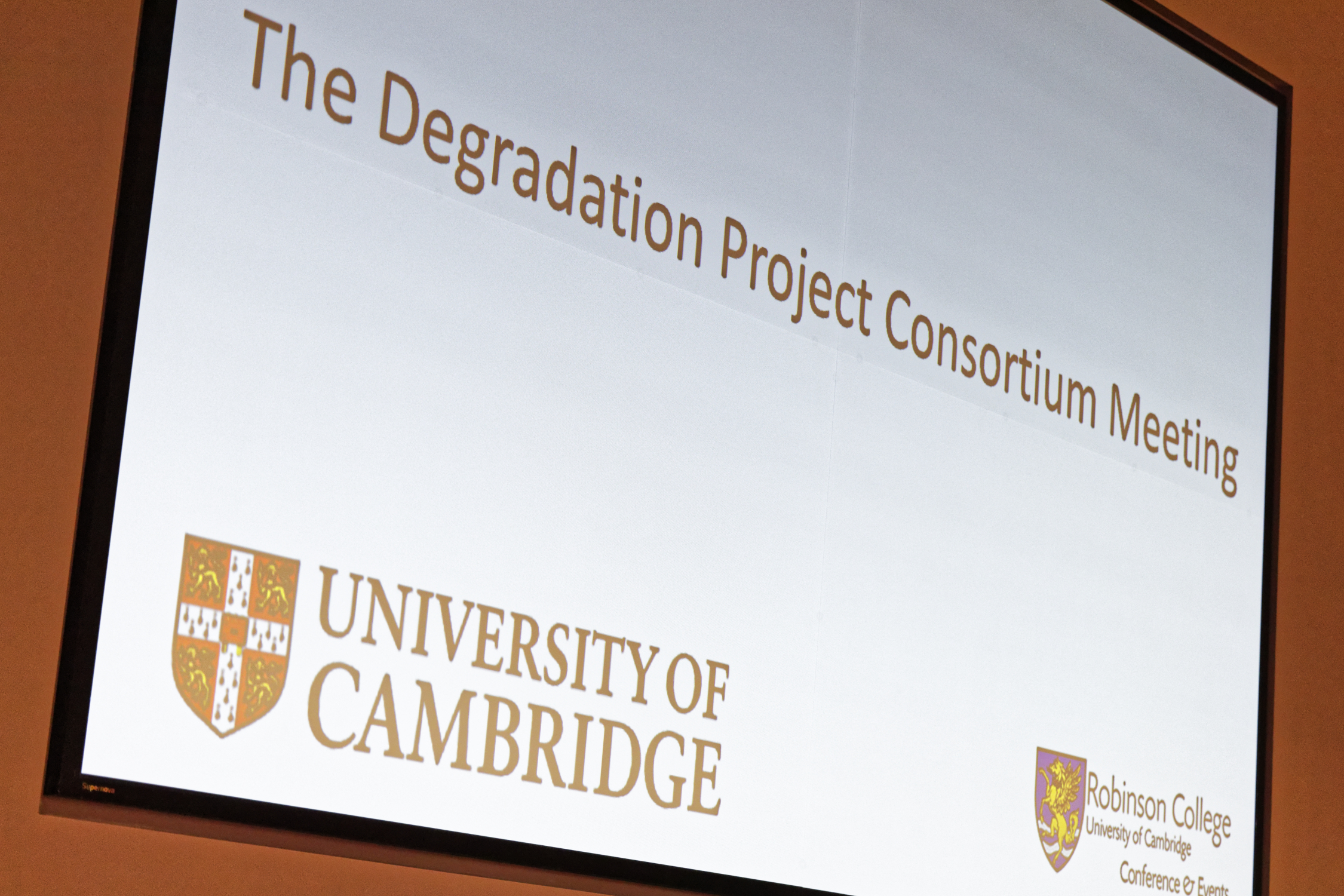
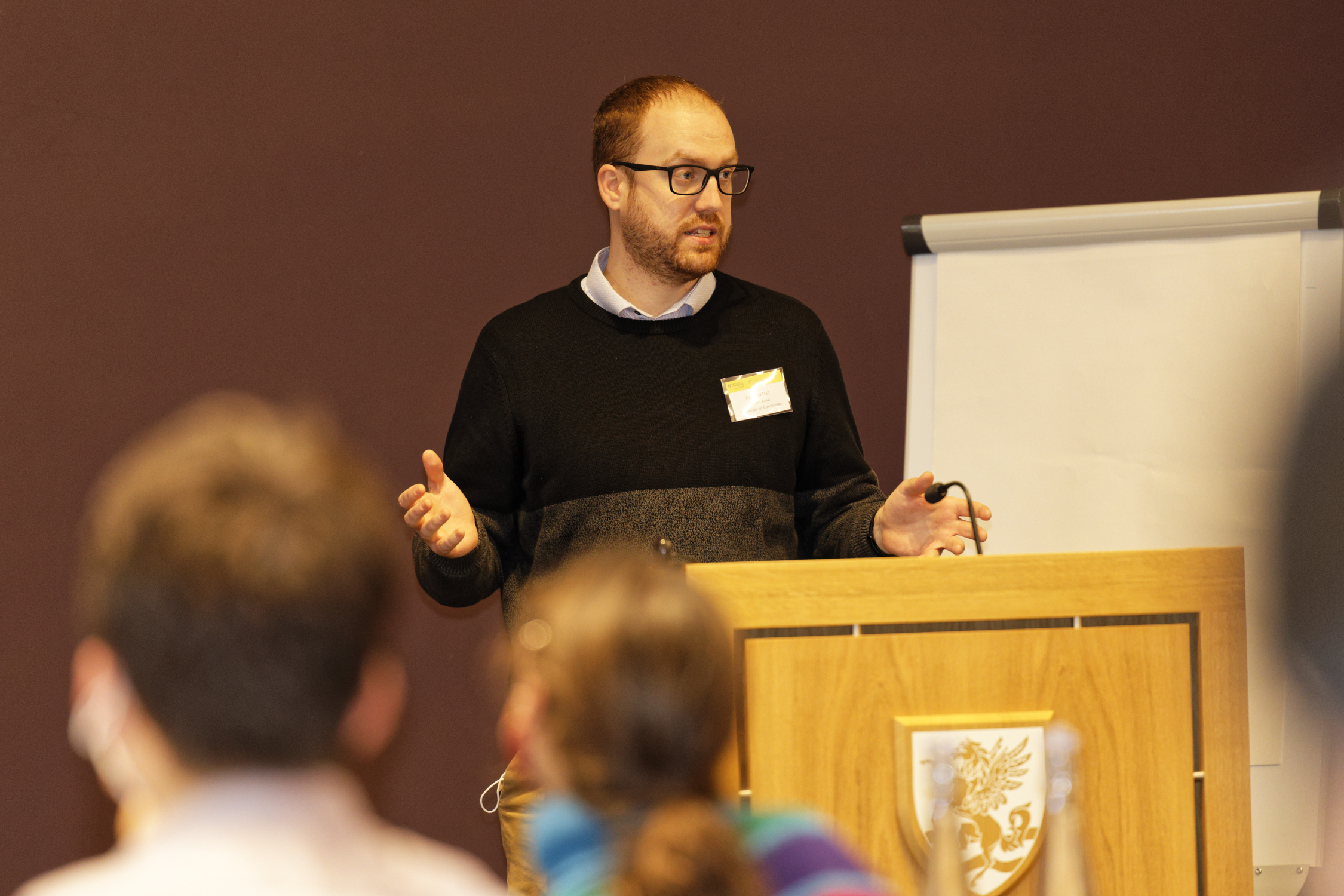
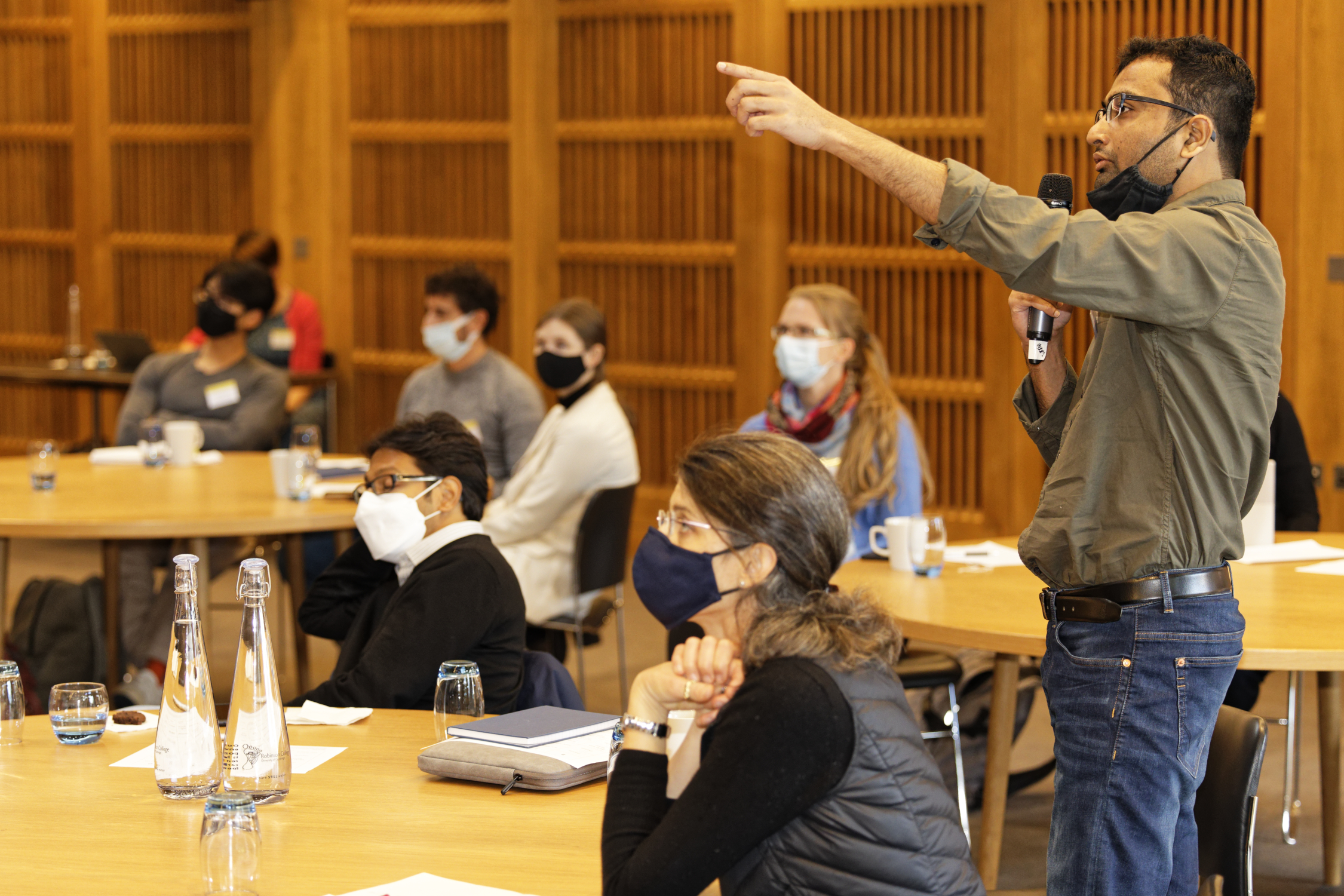
On 22 October we held our first in person/hybrid meeting in more than 18 months at Robinson College, Cambridge. Adhering to social distancing and covid-safe measures as much as possible, we opened with a careers training session for PhD students and PDRAs hosted by Charlie Ashley-Roberts from Your Time to Grow. Charlie lead the group to consider what they wanted from the next steps in their careers and shared many hints and tips to support future job searches.
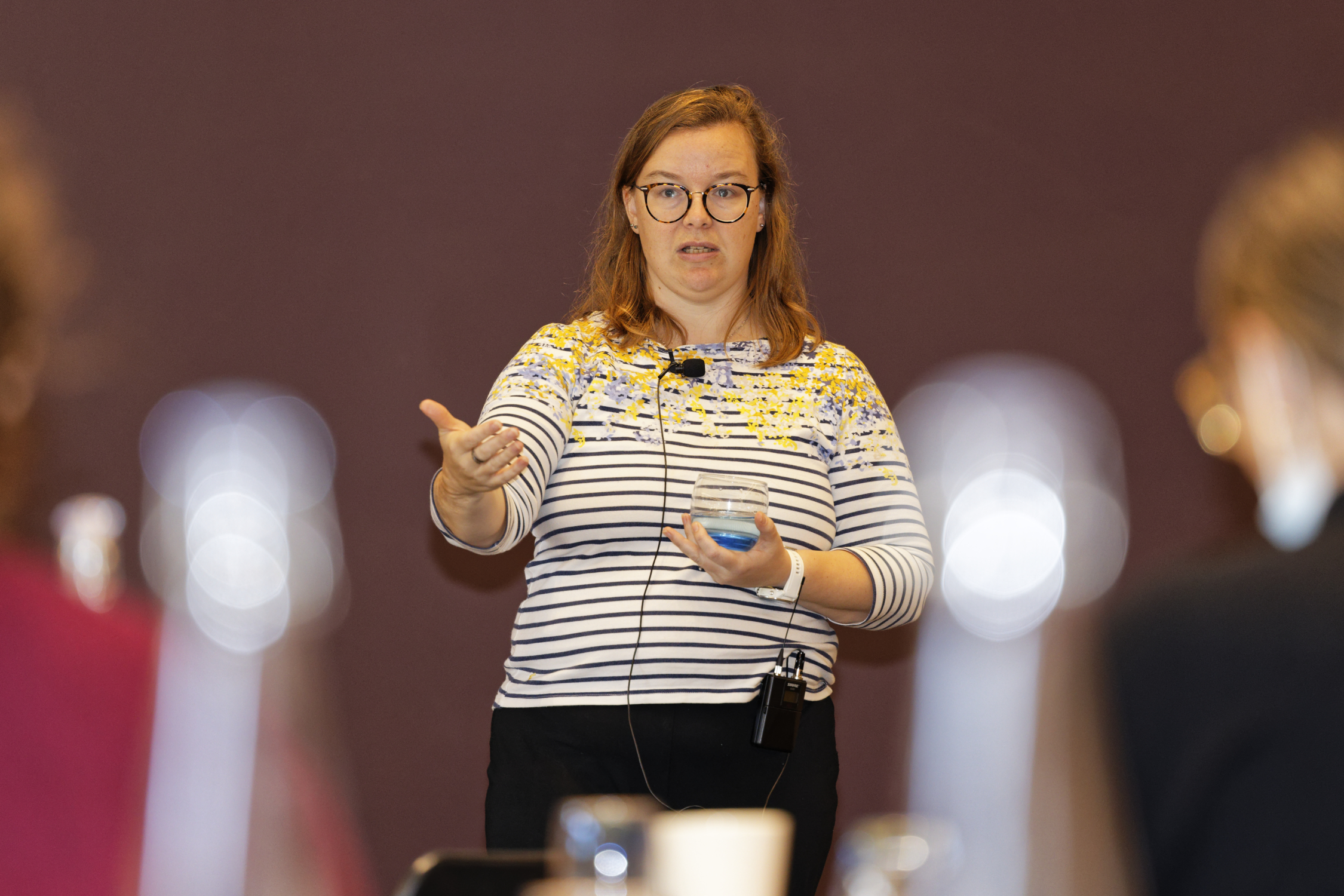
Due to not having met in person for so long and with new members of the consortium joining for years 4 and 5, we enjoyed a traditional ice-breaker activity. Playing ‘get to know you bingo’, instead of trying to find someone who, for example, had broken a bone, attendees were tasked with finding people who were involved in different parts of the project. This interaction between everyone really helped aid discussion.

The rest of the day was spent with presentations and discussion of topics from across the project, including some in small groups. Excellent debate was had and has helped to shape the future questions the consortium seeks to answer.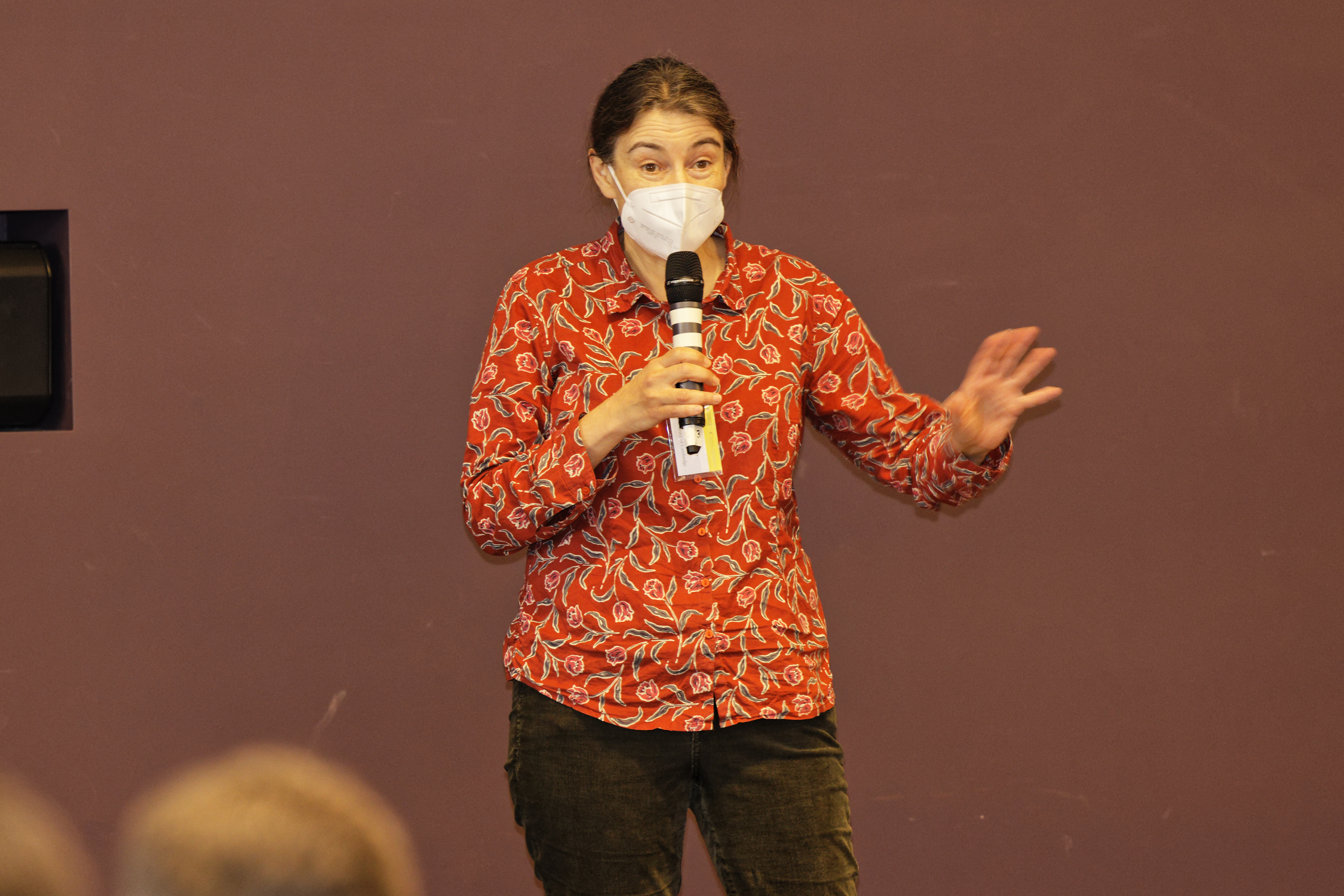


July 2021 – Professor Clare Grey awarded €1 million Körber Prize
Clare has pioneered the optimisation of batteries with the help of NMR (nuclear magnetic resonance) spectroscopy – similar to MRI technology – a method that allows non-invasive insights into the inner workings of batteries.
The Körber European Science Prize 2021 will be presented to Professor Clare Grey on 10 September 2021 in the Great Festival Hall of Hamburg City Hall. Since 1985, the Körber Foundation has honoured a breakthrough in the physical or life sciences in Europe with the Körber Prize. It is awarded for excellent and innovative research approaches with high application potential.
More information can be found here and here.
May 2021 – PhD studentship available
Prof Clare Grey has Faraday Institution funding for a PhD studentship in battery materials starting October 2021 or January 2022. The project will involve developing a range of artificial Solid Electrolyte Interface (SEI) strategies based on the coating of graphitic and Si electrodes with elastic and/or self-healing layers which inhibit electrolyte degradation. The strategy will be to:
(i) pre-coat the electrodes with polymeric materials that can adapt to volumetric changes, and
(ii) develop systems in which artificial SEI precursors combined with battery electrolytes produce self-healing SEIs.
This is now closed.
May 2021 – Oxford PDRA awarded fellowship
Dr Erik Björkland, University of Oxford, has been awarded a Marie Skłodowska Curie fellowship. This is awarded for performing research in a different country than where the person has previously lived, focusing on career development and learning of new skills.
The award was received in order to work with lithium ion batteries, where focus will be to improve the performance and sustainability through the use of in-situ measurements giving understanding about the side reactions that limit cycle life and how they can be mitigated. It will also be investigated why these reactions become more severe in higher capacity cathode materials and how it is possible to effectively recycle/regenerate the materials at their end-of-life without losing performance.
Congratulations Erik!
1 April 2021 – Phase 2 kicks off
As phase 1 draws to a close, phase 2 has kicked off in earnest. We have welcomed Louis Piper (Warwick Materials Group, University of Warwick) as our new cathode work package leader. Our new co-investigators include Vikram Deshpande, Norman Fleck, Akshay Rao (University of Cambridge), Beverley Inkson (University of Sheffield) and Andrew Morris (University of Birmingham).
16 March 2021 – The Naked Scientists – What’s the difference between batteries?
Gareth Hinds from the National Physical Laboratory, and David Hall and Didi Rinkel from Cambridge University appeared on The Naked Scientists podcast to explain why not all batteries are rechargeable. David is one of project leads, Didi is a PhD student affiliated to the Degradation project and Gareth works across many Faraday Institution projects supporting best practice in standards of measurements.
4 December 2020 – Industry Showcase
On Friday 4 December we hosted our industry showcase, demonstrating our cutting-edge, industry relevant work. We had presentations from seven PDRAs and five industry partners.
If you are from industry and have an opinion on specific stress conditions we could be testing or battery design we should be working with, please get in contact.
1 December 2020 – Centre for Science and Policy podcast
In November Prof Clare Grey was invited to speak on the University of Cambridge Centre for Science and Policy podcast. Along with cosmologist Professor Lord Martin Rees Clare discussed how the UK can take a leadership role in fostering innovation while building collaborations with other countries, and what we can learn from the example of the Faraday Institution’s work on energy storage.
Clare Grey, Centre for Science and Policy (CSaP) podcast – Energy Storage and Fostering Innovation, United Kingdom.
24 -26 November 2020 – Faraday Institution Annual Conference
Congratulations to Degradation consortium FUSE student, Miles Pemberton, who won best poster at the Faraday conference for scientific content and context for A computational investigation of organic redox flow battery electrolytes.
The judges said:
This poster does extremely well to condense some quite complex computational methods and a lot of data into something that is succinct and understandable. It does an excellent job of making the calculations understandable to the wider scientific audience whilst showing real world relevance. The results serve as a rational for the down selection of electrolytes for redox flow batteries and the poster does a good job of justifying this. The motivation for the project is outlined concisely and clearly roots the project in its wider context. The findings are then displayed in a manner that is both visually appealing and draws attention to key results. Miles shows a strong understanding of the significance of the work and what might be the next steps in this project.
3rd March 2020 – BBC Radio programme, The Naked Scientists (Live and as podcast)
David Hall was interviewed on the programme “Electric Cars: Worth the Charge?”. He explains in layperson’s terms how car batteries work and degrade over time and the current dependence on lithium ion batteries. Battery management systems that aim to regulate the potentially damaging effects of fast charging are also discussed.
 Faraday Institution Degradation project